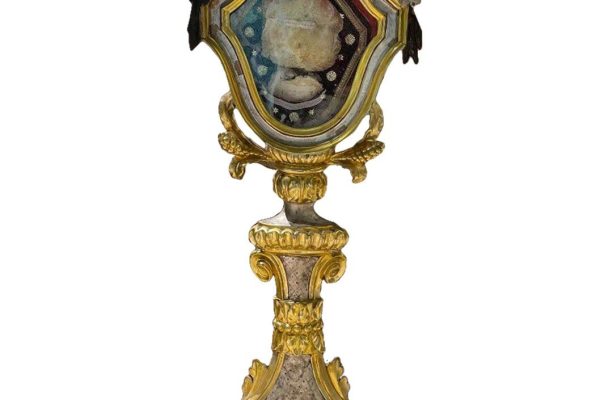
A monstrance, a vessel of divine reverence, crafted to showcase the sacred Eucharist. Adorned with intricate designs and glistening with precious metals, the monstrance holds a pivotal role in Catholic worship. As light dances off its surfaces, illuminating the consecrated host, a profound sense of spiritual awe envelops those who behold it. In churches worldwide, the monstrance stands as a beacon of faith, drawing the faithful to contemplation and adoration. To understand this symbol of devotion is to glimpse the beauty and mystery of the Eucharist itself.

The Intriguing Beauty of Monstrance: A Closer Look at this Sacred Object
Have you ever gazed in wonder at a dazzling object displayed in a church sanctuary, adorned with intricate decorations and surrounded by an aura of reverence? That object is known as a monstrance, a key element in Catholic worship. In this article, we will delve into the fascinating world of the monstrance, exploring its history, significance, and the artistry behind its design.
What is a Monstrance?
Let’s start by understanding what a monstrance actually is. A monstrance is a sacred vessel used in the Catholic tradition to display the consecrated Eucharistic host during the adoration of the Blessed Sacrament. This ornate object is typically made of precious metals such as gold or silver, and often adorned with jewels and intricate designs. The word “monstrance” itself comes from the Latin word “monstrare,” which means “to show” or “to reveal.” And indeed, the monstrance serves as a vessel to showcase the presence of what Catholics believe to be the body of Christ in the form of the consecrated host.
The History of Monstrances
Monstrances have a rich history that dates back centuries. The practice of adoration of the Blessed Sacrament, and by extension, the use of a monstrance to display the consecrated host, has its roots in the early days of Christianity. The faithful would gather to adore and venerate the Eucharist, and the need arose for a vessel that would both protect and showcase the sacred host.
Over time, the design and craftsmanship of monstrances evolved, reflecting the artistic styles and cultural influences of different eras and regions. From the intricate Gothic designs of the Middle Ages to the elaborate Baroque styles of the Renaissance, each monstrance tells a story of devotion and artistry.
The Symbolism of the Monstrance
Symbolism plays a significant role in the design of a monstrance, with each element holding a specific meaning. The sunburst motif, often found at the center of a monstrance, represents the glory and radiance of Christ. The rays extending outward symbolize the spreading of the light of faith to the world. The base of the monstrance, called the “luna,” cradles the consecrated host and symbolizes the stability and foundation of the Church.
Additionally, the use of precious metals such as gold in the construction of a monstrance signifies the reverence and adoration that the faithful have for the Eucharist. The jewels and intricate filigree work are not merely decorative but serve to enhance the beauty and sacredness of the object.
The Artistry Behind Monstrances
Creating a monstrance is a labor of love that requires skilled craftsmanship and attention to detail. Goldsmiths and artisans work tirelessly to craft each element of the monstrance, from the delicate filigree patterns to the intricate engravings that adorn its surface. The process of making a monstrance is a blend of art and devotion, with each piece being treated as a sacred object.
Many monstrances are also embellished with precious gems and stones, adding to their beauty and symbolic significance. The use of gemstones such as diamonds, emeralds, and rubies further elevates the visual impact of the monstrance, making it a truly awe-inspiring object.
The Role of the Monstrance in Catholic Worship
In Catholic worship, the monstrance plays a central role during the adoration of the Blessed Sacrament. The consecrated host, believed to be the body of Christ, is placed in the luna of the monstrance and then displayed for the faithful to adore and venerate. This act of adoration is a profound expression of faith and devotion, as Catholics believe that they are in the presence of the divine.
During Eucharistic adoration, the monstrance is often placed on the altar in a prominent position, surrounded by candles and flowers. The faithful will kneel in prayer and contemplation, offering their worship and praise to the Blessed Sacrament. The monstrance serves as a focal point for this act of adoration, drawing the attention of the faithful to the real presence of Christ in the Eucharist.
In conclusion, the monstrance is not just a decorative object but a sacred vessel that embodies the deep reverence and adoration that Catholics have for the Eucharist. Its intricate design, rich symbolism, and central role in Catholic worship make it a captivating and significant element of the faith.
As you admire a monstrance in a church sanctuary, take a moment to appreciate the artistry and devotion that went into creating this sacred object. The next time you witness the adoration of the Blessed Sacrament, remember the profound symbolism and spiritual significance that the monstrance holds. It is a beautiful reminder of the enduring presence of Christ in the lives of the faithful.
Perpetual Adoration live from St Benedict's, Melbourne
Frequently Asked Questions
What is a monstrance?
A monstrance is a sacred vessel used in Roman Catholic liturgical worship to display and honor the Eucharistic host, particularly during the adoration of the Blessed Sacrament.
How is a monstrance typically designed?
Monstrances are usually made of precious metals like gold or silver and are ornately decorated with intricate designs, often featuring images of the sun or rays to symbolize the glory of the Body of Christ.
What is the significance of using a monstrance in Catholic worship?
The use of a monstrance reflects the belief in the Real Presence of Jesus Christ in the Eucharist. It serves as a focal point for adoration and reverence towards the consecrated host, allowing worshippers to direct their prayers and devotion towards the presence of Christ.
Can anyone handle a monstrance?
Typically, only ordained clergy or designated ministers are permitted to handle a monstrance due to its sacred nature and the reverence with which it is treated in Catholic worship. Special training and protocols are often in place to ensure proper care and handling of the monstrance.
Final Thoughts
The monstrance, a sacred vessel used in Catholic Eucharistic worship, is both functional and symbolic. Its exquisite design magnifies the significance of the consecrated host displayed within. Beyond its practical purpose, the monstrance serves as a focal point for adoration and reverence during the exposition of the Blessed Sacrament. For believers, it embodies the presence of Christ and invites contemplation and worship. In conclusion, the monstrance stands as a powerful symbol of faith and devotion in the Catholic tradition.